

Report on the results of the 2023 semi-operational test
Verifier: AGROEKO Žamberk spol. s r.o.
Ing. Tomáš Javor, DiS., Ing. Lenka Beranová, DiS.
User: ŽIVA zemědělská obchodní, a.s.
Agronomist Veronika Bílková
Supplier: AZOTER Trading s.r.o.
Ing. Jiří Suchodol
* * *
Methodology 2023:
The semi-operational test was set up in Klášterec nad Orlicí – part of Jedlina, a higher altitude locality (o. Ústí nad Orlicí, 627 m above sea level). The size of the experimental variant (treatment with the test product) was 0.558ha and the size of the control plot (without treatment with the test product) was 0.562ha with the splitting method of simple long segments.
The experimental plot (Figure 1) contained moderately heavy soils with dystric cambisol soil type, mesobasic modal cambisols and cryptopodzoles on granites, gneisses, clasts and phyllites, lighter to moderately skeletal. The area is very well supplied in terms of moisture conditions, in a moderately cool climatic region.
The pre-crop for winter wheat was winter rape. Cattle manure was applied to the soil before sowing. The actual sowing of the winter wheat or the variety Elixer (baking wheat) took place on 20th October 2022.
The application of the tested AZOTER F in a dose of 10 l/ha of the main component and 0.1 l/ha of F concentrate was carried out using ground sprayer on the soil just before the preparation for sowing. During the application, the working pressure of the sprayer was kept at 2,5 bar.
The winter wheat crop (both the control plot and the variant treated with the tested product) was fertilized with a total dose of mineral nitrogen fertilizers 150kg N/ha and sulphur. During the growing season, plant protection was applied according to the signs and indications throughout the experiment.
The crop was harvested on 23rd August 2023 with a thresher and the harvest weight and grain moisture content of the experimental plots were evaluated individually.
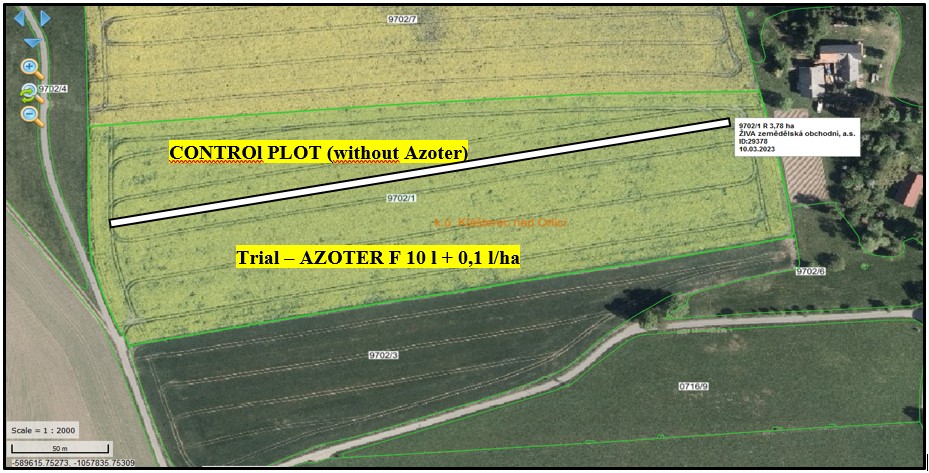
Fig. 1. Plan of the field trial verifying pre-sowing soil treatment for winter wheat with AZOTER F fertiliser in Jedlina location (Ústí nad Orlicí district)
Results:
The effect of the tested AZOTER F microbial preparation on the vegetative and nutritional status of winter wheat
The winter wheat showed the same number of tillers on the plants treated with the tested AZOTER F fertiliser as well as on the control plot without the treatment in the first tillering period (14th May). The dry weight of the above-ground biomass was 4% lower after the treatment with the tested fertiliser than the weight of the control plot. The stands, at the time of the last leaf emergence (29th May), showed the same number of branches on the plants treated with AZOTER F fertiliser as on the plants in the control plot without treatment. The dry weight of the aboveground biomass was 15% lower after the treatment with the test product than in the control plot. Thus, there was a steady decline in the aboveground biomass growth compared to the first round. The stands at the beginning of flowering (19th June), showed a higher number of branches (18 %) on the plants treated with AZOTER F than the ones in the control plot without treatment. The dry weight of aboveground biomass was 9% lower after the treatment of the stands with the test product than the stands in the control plot. Thus, there was a steady decrease in the growth of the aboveground biomass weight during the growing season compared to the period of the first and last leaf emergence (Graph 1).

Graph 1. Effect of pre-sowing application of the microbial preparation AZOTER F on the dry weight of the aboveground biomass of winter wheat during the growing season.
The nutritional status of the plants at the beginning of post-harvesting (14th May) was found to have improved in nitrogen (by 15%), phosphorus (by 39%), potassium (by 17%), calcium (by 22%) and magnesium (by 43%) on the plot treated with AZOTER F fertiliser compared to the control plot without treatment (Graph 2).

Graph 2. Effect of pre-sowing application of AZOTER F microbial fertiliser on the nutritional status of plants (for model grain yield) 14.05.2023, the period of the first node.
The stand treated with AZOTER F fertiliser showed a better nutritional status of the plants only with phosphorus (around 5%) during the period when the last leaf developed (29th May). Plant nutrition with nitrogen, potassium, calcium and magnesium was reduced after the soil treatment with the preparation (Graph 3).

Graph 3. Effect of pre-sowing application of AZOTER F microbial preparation on the nutritional status of plants (for model grain yield) 29.05.2023, period of the last leaf emergence.
During the flowering (19th June), the stand treated with AZOTER F showed a better nutritional status with nitrogen (22%), phosphorus (10%), calcium (14%) and magnesium (9%). Plant nutrition with potassium was reduced (Graph 4).
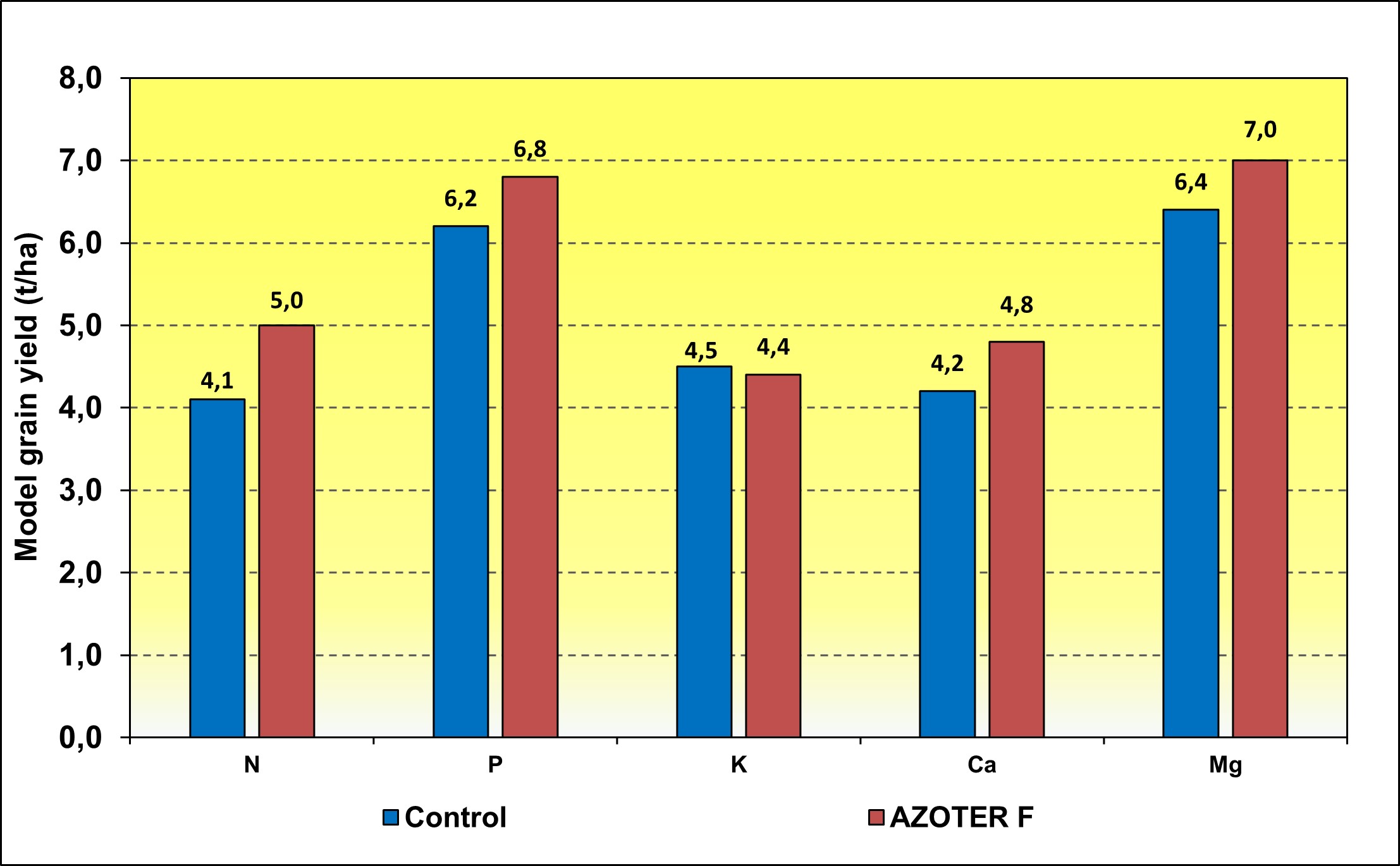
Graph 4. Effect of pre-sowing application of AZOTER F microbial preparation on the nutritional status of plants (for model grain yield) 19.06.2023, the period of the beginning of flowering.
Overview of vegetation and nutritional status of stands after the soil treatment with AZOTER F, which showed a better nutritional status of plants at the beginning of tillering and at the end of vegetation during flowering (Table 1)
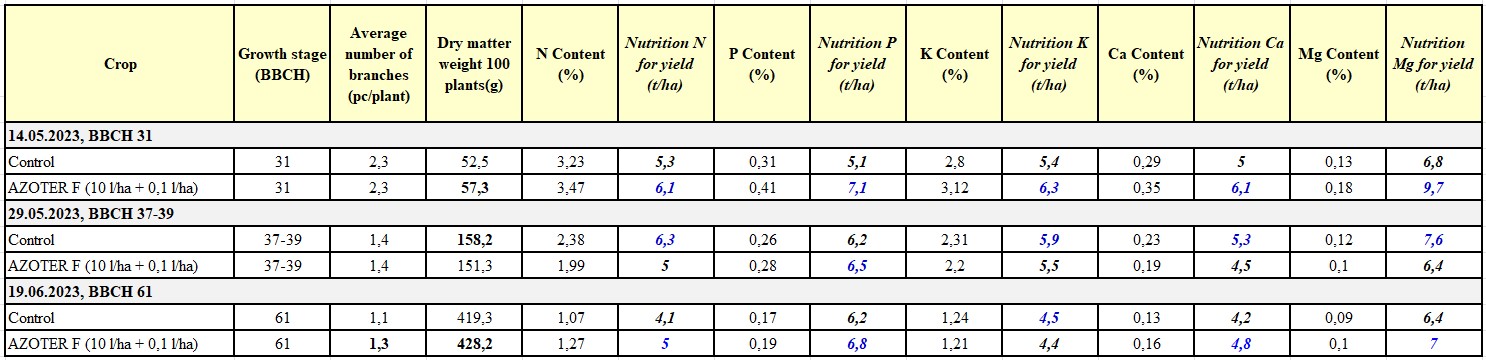
Tab. 1. The effect of the winter wheat treatment with AZOTER F microbial preparation on the vegetative and nutritional status of plants (plant nutrition diagnosis).
Results:
Effect of AZOTER F microbial preparation tested on yield-forming elements and the achievement of winter wheat yield and grain quality.
The effect of the microbial preparation tested on the plants, contributed to a better nutritional status in nitrogen, phosphorus, potassium, calcium and magnesium during the first tillering period. During the period when the last leaf emerged, the nutritional status improved only in phosphorus, and during the period of the beginning of flowering, the nutritional status improved in nitrogen, phosphorus, calcium and magnesium. The improvement of the nutritional status, after the treatment, contributed to a higher number of ears per unit area (14%). On the other hand, the number of grains per ear was lower (14%) after the treatment than on the untreated control plot. The thousand grain weight (TGW) was higher on the treated plot (11%). The weight of the straw was only 1% higher after treatment due to the higher number of ears. The grain yield potential of the harvested samples was 9% higher compared to the untreated control variant.
The grain quality, according to the nitrogenous content (N-substances), was higher in the untreated control variant (14.1%) but with a lower grain yield. After the treatment, the content of N-substances was reduced (10.2%) to increase the grain yield per area. The volumetric weight was slightly higher on the untreated control plot. Thus, the lower grain quality of the treated plot was compensated with a higher grain yield. It can be observed that both stands (control and treated variants) lacked nitrogen at the end of the growing season, or the conditions for nitrogen uptake from the soil were not favourable (Table 2).

Tab. 2. The effect of the winter wheat stand treatment with the tested preparation on the structure of yield formation and grain quality (as of 02.08.2023).
The experimental plots were harvested separately with a combine harvester on August 23rd, 2023. The untreated stand (control) gave a grain yield of 7.44 t/ha. The stand after the treatment with AZOTER F preparation gave a grain yield of 8.03 t/ha. Treating of the crop with the test product provided an 8% yield increase (0.59 t/ha). The potential yield from plant samples taken before the actual mechanized harvest, also showed a trend of increased grain yield in the plot treated with AZOTER F microbial preparation. The increase in yield was 9% (Graph 5).
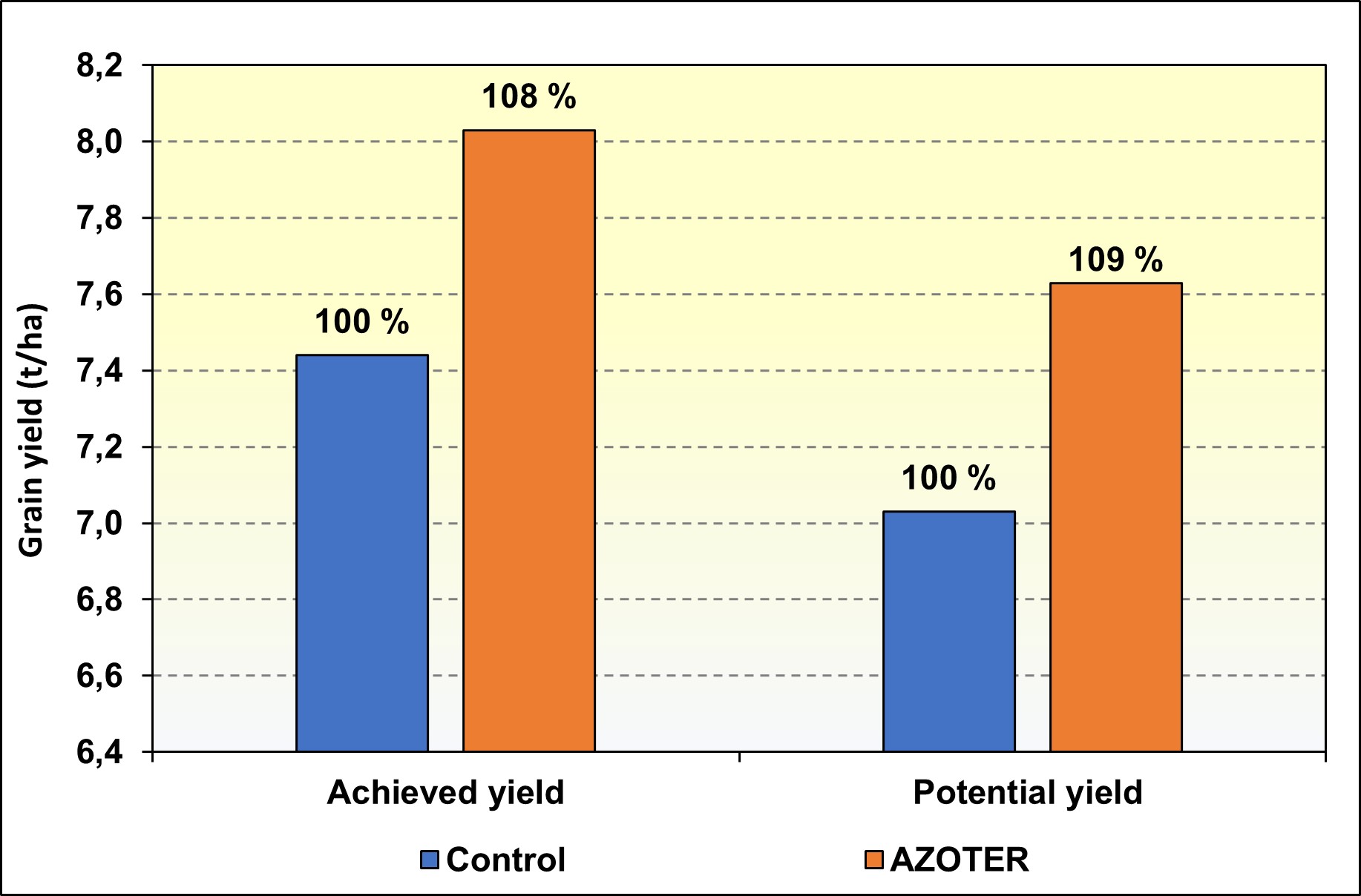
Graph 5. The effect of the winter wheat stand treatment with the tested preparation on the resulting grain yield and the comparison with the local potential yield determined from the plant samples taken before the harvest (field harvest with thresher 23.08.2023, harvest plant samples 02.08.2023).
Conclusion
The tested AZOTER F microbial preparation, in a dose of 10 l/ha + 0.1 l/ha of additive F after application to the soil before preparation for sowing, improved the nutritional status of the plants in nitrogen, phosphorus, potassium, calcium and magnesium in the first tillering period. In the period of the last leaf emergence, the nutritional status improved only in phosphorus, and in the period of the beginning of flowering, the nutritional status of the plants improved in nitrogen, phosphorus, calcium and magnesium. The preparation stimulated a greater increase in the aboveground biomass only at the end of the growing season during flowering.
The application of AZOTER F to the soil before sowing increased the wheat grain yield by 8% (0.59 t/ha), with a higher number of ears, TGW, the grain and straw weight compared to the control plot. The potential yield on this plot was by 9% higher than on the control plot.
The market performance of the winter wheat increased by 2,537 CZK/ha. The grain quality did not improve in the year 2023.
Exchange rate EUR/CZK on 23/08/2023 = 24,132 CZK/EUR
Photo annex from the implementation of the testing field in 2023
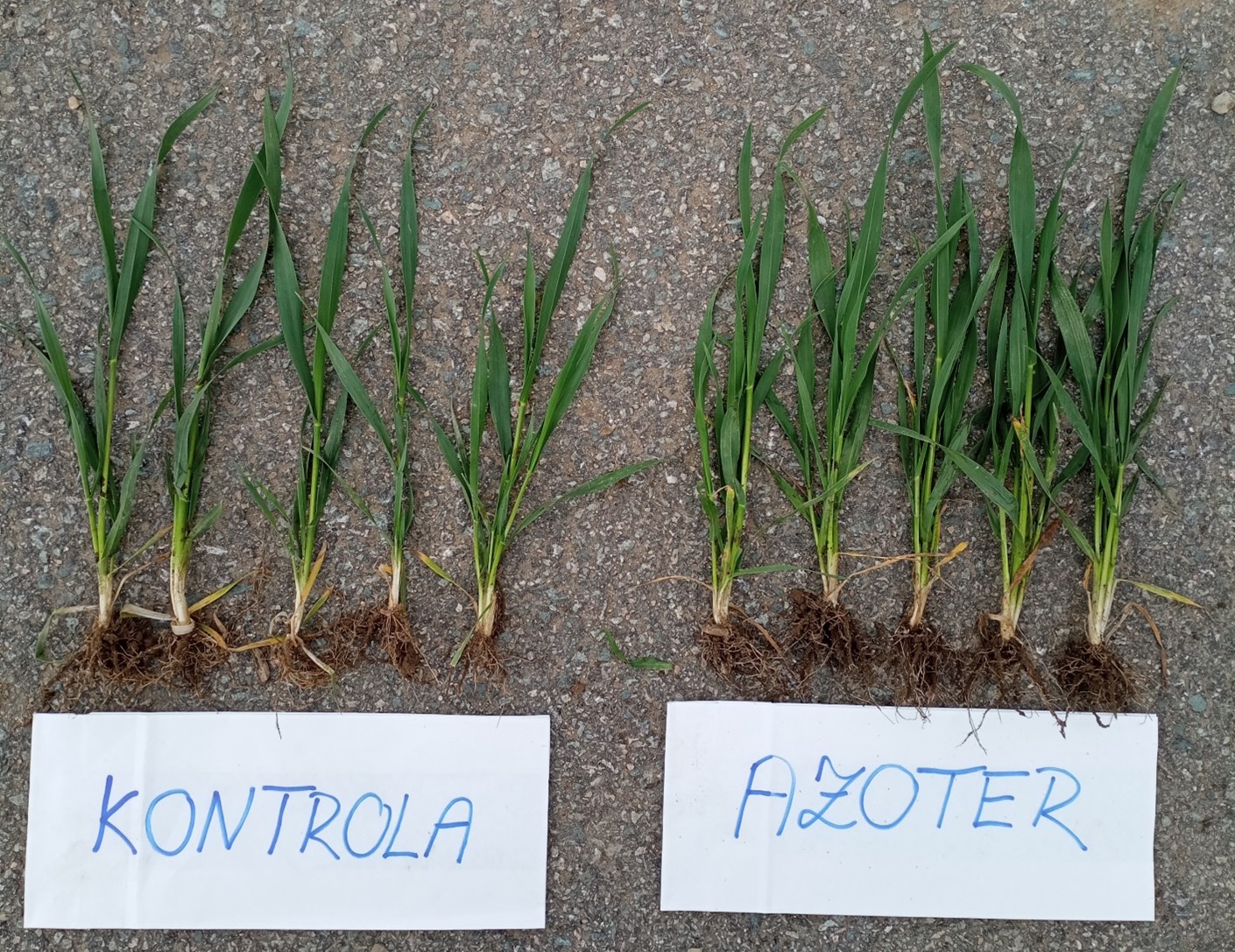
Winter wheat plants in the testing field in Jedlina during the first tillering period (BBCH 30-31) on 14.05.2023
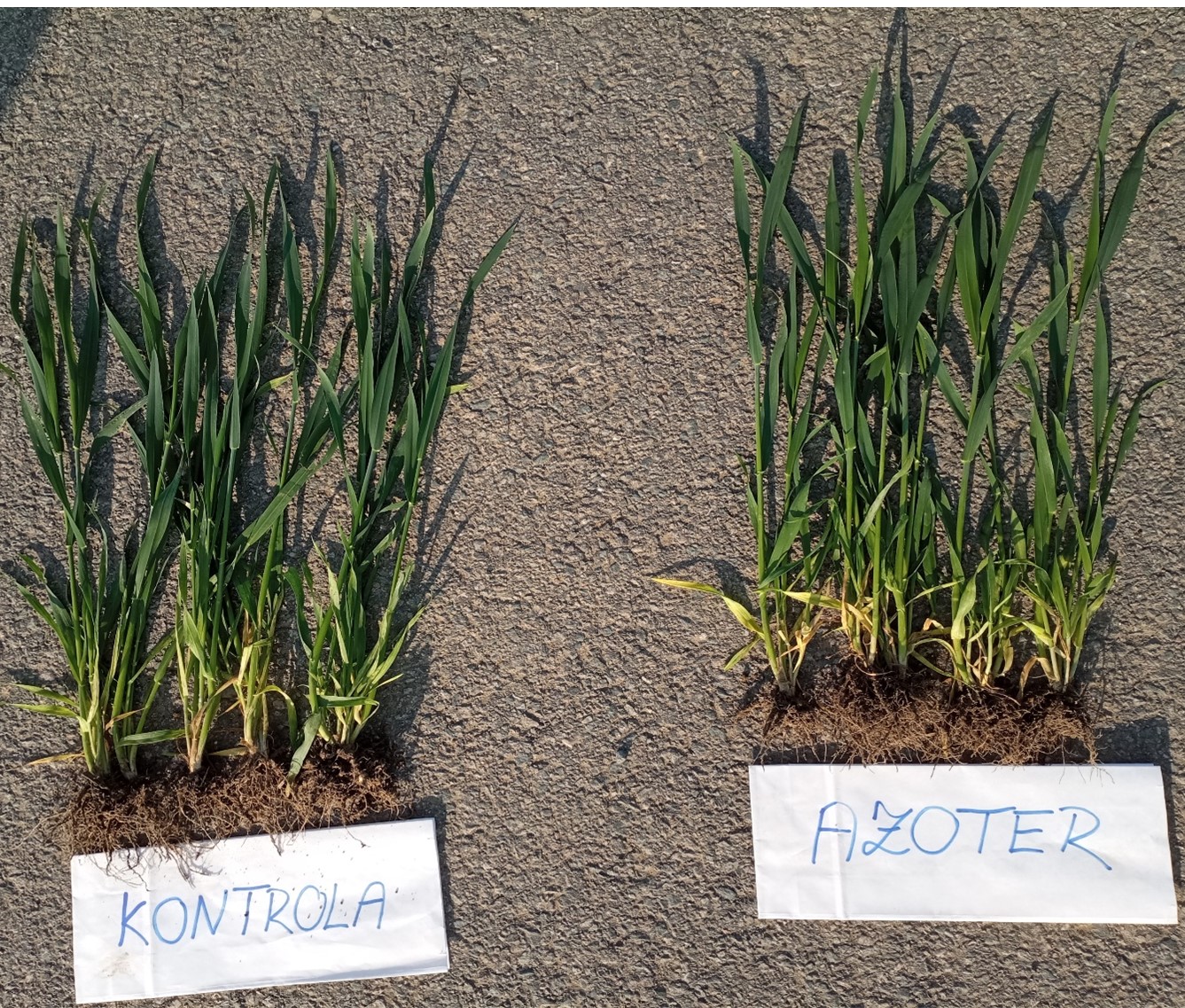
Winter wheat plants in the testing field in Jedlina at the time of last leaf emergence (BBCH 37-39) on 29.05.2023
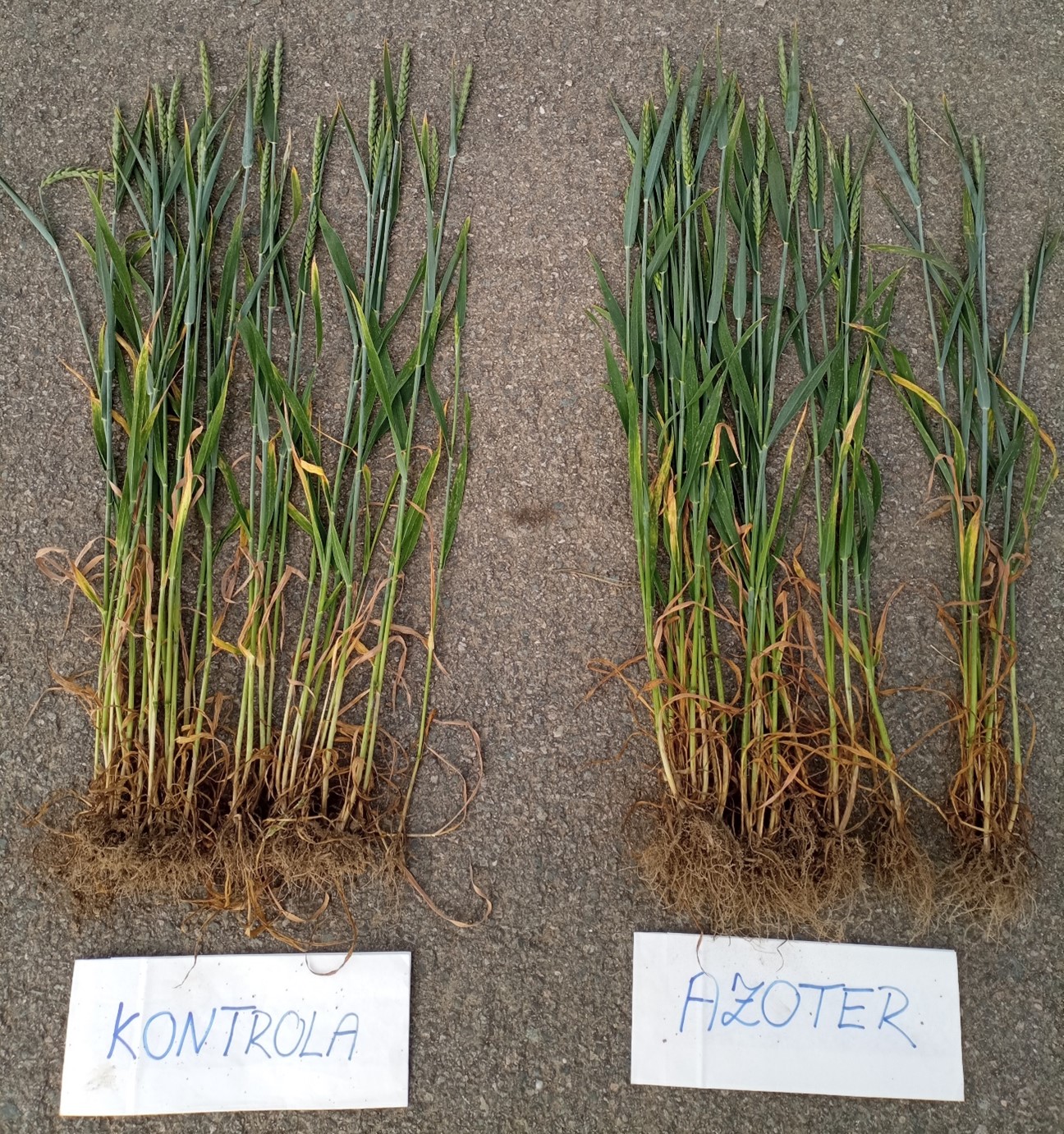
Winter wheat plants in the testing field in Jedlina at the beginning of flowering (BBCH 61) on 19.06.2023
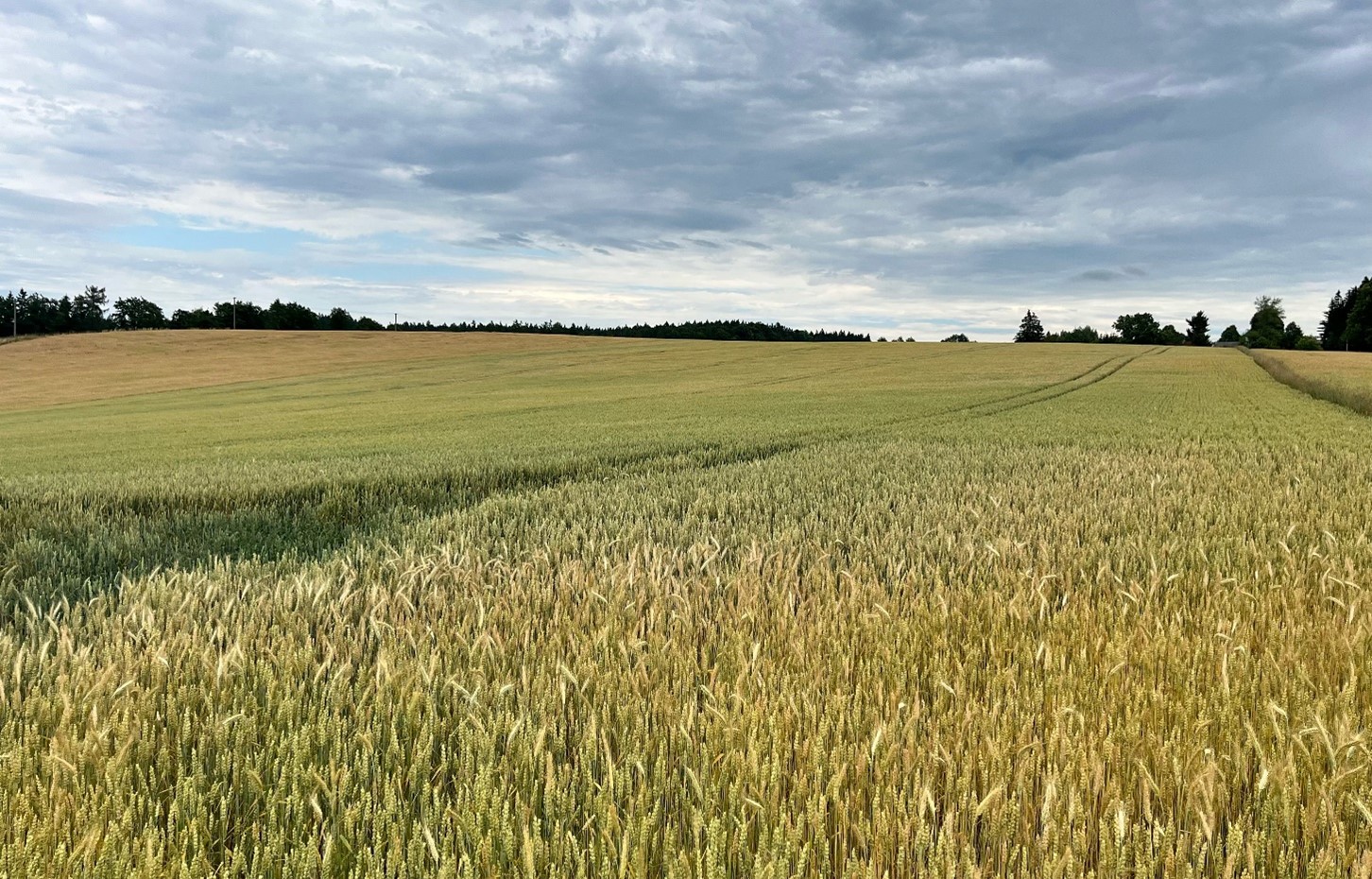
Winter wheat plants in the testing field in Jedlina maturity period on 16.07.2023